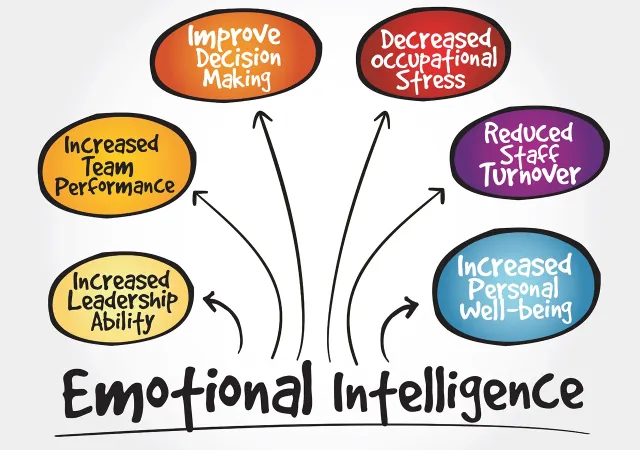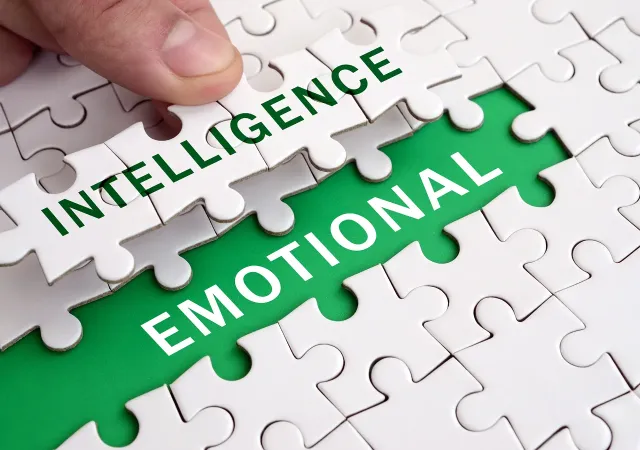
Models of both emotional intelligence and being person centred are about embracing the whole person and emotions at work.
We are not just a CV or work biography. We are an array of values, roles, traits, emotions, life experiences, abilities, jobs and interests that make us up as a whole person – Joining these up is the beginning of knowing the core of what matters to each of us and why.
It is through this we gain or give others a clearer idea of ‘the authentic self ‘ - this is the core of emotional intelligence
So here I am – or at least a wider picture ‘The Emotional Intelligence Version of Me’...
“Take a look at my staff profile as I undertake the role of the first ever Professor of Emotional Intelligence in Care.”
“I believe over the last 18 months people switched off their EI, potentially as a coping mechanism, and I want them to reignite and embrace it to help their teams lived experiences at work.”
SOCIAL CARE MANAGER
David Sheard is Professor of Emotional Intelligence in Care in the School of Science, Technology and Health at York St John University.
An internationally respected consultant, trainer,author, film maker and motivational speaker, David Sheard has won multiple international awards for his work on establishing a revolutionary model of dementia care. His person centred ethos has challenged accepted modes of care and brought about positive change around the world.
Professor Sheard worked for 14 years as a social worker in hospital and community settings, specialising in dementia care and mental health. He left the NHS to set up Dementia Care Matters and was the Founder and CEO for 22 years, up to 2017.
“It’s the first step in becoming a stronger relationship focused work culture.”
Professor David Sheard
“I was going to say, in spite of, but no because of what you have been through you are able to offer so much to others. And you do so, generously, without any thought for what it takes out of your own reserves of energy.”
CARE HOME OWNER
My 40 years in health and social care has not been my work but the core of my life. It has been my identity and given me purpose and direction. It has been the absolute basis of the sort of son, partner, father and grandfather I wanted to aspire to be.
The values I learnt as a young man at the University of Hull through my degree and training as a social worker still run through the veins of me. Working alongside Professor Tom Arie at University Hospital Nottingham whilst in my 20s totally inspired me to be passionate that dementia care and all care could be very different.
My career has been a life philosophy and personal expression of what it means to be human. Coming out as a gay man created deep seated feelings about the search in all of us for truth. As a result I have lived emotionally ‘ inside out ‘ - living in the raw - in the hope that by modelling this it might give permission to others who are striving to be authentic. This isn’t always easy and can be misunderstood by people.
Living with a near death experience and heart disease the last 20 years means I experience people, family, health and social care without the mask of disguise - the world is heightened when “All We Have is Now”.
It means being open to vulnerability, recognising the bogus, seeing life for what it really is and this can lead to others freely making judgments of your difference - striving to be more emotionally intelligent can be a threat to people who live boxed in lives.
The positives in joining up all aspects of oneself into a way of being is that it offers a richer life.Trying to be person centred, focusing on growing emotional intelligence takes the false filter off that so many people nervously cling onto.
Life, care, family, relationships, colleagues teams and organisations can all be seen for what they really are. This can feel exposing oneself but it is both liberating and life enhancing.
Being emotionally intelligent is a continual human experience in joining up oneself, striving for truth and trying to be an authentic person at home and at work.